A Practical Guide to Sleep Environment: Optimizing Quiet, Light, and Temperature for Better Rest
A calm bedroom is more than color and curtains. It’s a science-backed sanctuary where light, sound, and temperature align with your body’s rhythms. This guide blends sleep science with everyday routines to help you craft a room that nurtures deeper, more restorative nights.
Why the sleep environment matters
Sleep is not a passive activity. It’s a dynamic process shaped by our surroundings. The dimmer the lights, the easier it is for our brain to wind down. A cooler, stable temperature helps restore the body’s natural circadian signaling, while a quiet room minimizes interruptions that can fragment sleep cycles. Think of your bedroom as a climate-controlled cocoon designed to support the brain’s transition from wakefulness to restorative slumber.
Across eras and cultures, people have leaned into sleep-friendly environments—whether it was the moonlit hush of a traditionally dressed chamber or the modern, soundproofed sanctuaries of contemporary bedrooms. Today, science provides practical methods to fine-tune that space without sacrificing style or daily life.
Three pillars: light, sound, and temperature
- Light: Our circadian rhythm is deeply influenced by light. Exposure to bright light in the morning trains the body to wake, while dimming and blue-light reduction after sundown helps signal sleep onset. Blackout curtains or a smart dimmer can transform a room in seconds.
- Sound: Quiet is more than silence; it’s about reducing disruptive noises. White noise machines, fans, or soft ambient sounds can mask unpredictable sounds that might wake you. Acoustics also matter—the way a room carries sound can influence perceived calmness.
- Temperature: The body cools during the night. A comfortable range typically sits around 60–67°F (15–19°C) for many sleepers, but personal preference matters. Bedding and sleepwear that react to temperature will support more stable sleep without overheating.
Practical steps you can take this week
- Establish a dimming ritual: Start at least 60 minutes before bed. Switch to warm lighting, and limit screen time. If possible, replace overhead lighting with lamps or fixtures that offer soft, amber hues.
- Control the room’s temperature: Set a target range and keep it consistent. If your climate fluctuates, consider light breathable bedding and a fan or a breathable duvet to balance comfort without chasing heat or cold.
- Reduce ambient noise: Close windows where feasible, seal gaps with weatherstripping, and introduce a gentle soundscape if needed. A white-noise or pink-noise source can help the brain settle into sleep faster.
- Rethink the bed as a sanctuary: The bed should be a place of rest. Invest in breathable layers that help regulate temperature and moisture—the right combination can meaningfully impact sleep quality over time.
A curated checklist for immediate impact
- Close the bedroom door and ensure routes to bedrooms feel calm and uncluttered.
- Dim lights to a warm, low level for at least an hour before bed.
- Shut curtains or blinds to minimize street light while keeping a comfortable temperature.
- Place a lightweight, breathable blanket at the foot of the bed to accommodate temperature fluctuations.
- Keep a dedicated sleep journal to note what light, sound, and temperature settings align with your best nights.
Three notable voices from different eras on the art of rest
Hypnos of Ancient Greece
Hypnos, the personification of sleep, reminds us that rest is a sacred, nightly visitor. While myth frames sleep as a natural force, it also hints at the discipline needed to invite it—quiet darkness, tranquil surroundings, and a routine that signals the mind to surrender to the night.
Florence Nightingale (19th century)
Nightingale’s emphasis on hygiene and orderly environments translates beautifully to the modern sleep space. Her insistence on clarity, cleanliness, and purposeful design resonates in today’s focus on calm, uncluttered bedrooms and predictable sleep routines.
Arianna Huffington (21st century)
Huffington’s advocacy for sleep as a performance and health essential echoes the shift toward sleep-centric design. Her work encourages prioritizing rest as a daily foundation for wellbeing, productivity, and long-term vitality.
A sample sleep-friendly product you can integrate now
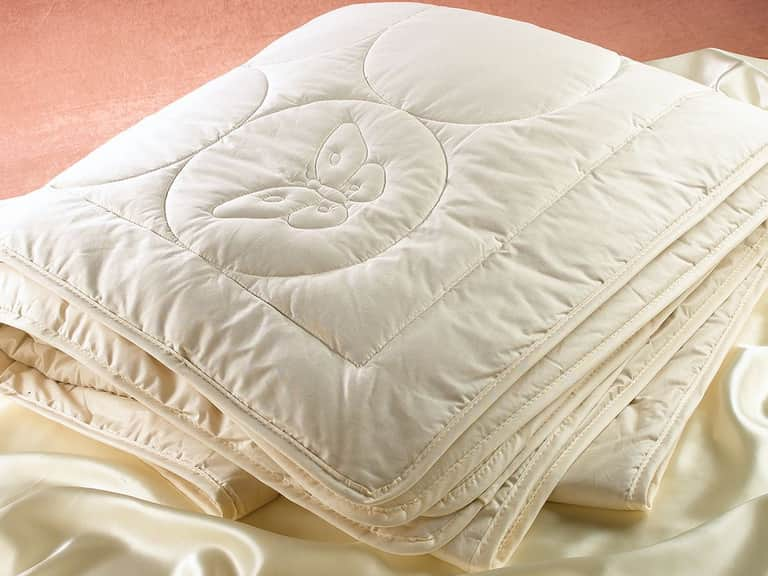
A comforting addition that embodies the guide’s ethos is a premium comforter designed for year-round warmth and breathability. The Alpaca and Wool Comforter blends hypoallergenic fibers and a crescent moon stitch to maintain loft and distribute warmth evenly. Its organic cotton shell and thoughtfully milled fill support moisture-wicking properties and a calm microclimate throughout the night.
This kind of fabric harmony helps you relax faster, reduces awakenings, and preserves the body’s natural temperature rhythm for deeper sleep cycles.

Alpaca and Wool Comforter
Luxuriously warm, hypoallergenic comforter filled with organic alpaca fiber and wool batting, encased in 100% GOTS-certified organic cotton, finished with a crescent moon stitch to keep filling evenly distributed.
Price: $555.00
Note: This is a representative example aligned with the guide’s philosophy of breathable warmth and comfort, not a product endorsement. Availability and details may vary by retailer.
Longer-term design notes and resource tips
When you design a sleep environment, think of it as a small, daily science experiment. Track how different lighting levels, room temperatures, and noise levels affect your sleep quality. A simple bed-time routine can become a powerful cue for your body, signaling that rest is imminent. The goal is to create a space that feels predictable, safe, and soothing.
In the spirit of responsible, evidence-informed living, consider materials and textures that feel soft against the skin while still supporting temperature regulation. Breathable fabrics, natural fibers, and light, layered bedding can help you adjust to seasonal shifts without sacrificing comfort.
About the sources and future reading
The recommendations above align with sleep hygiene research and practical household strategies. For deeper dives, seek peer-reviewed sleep science reviews, consult sleep specialists, and experiment with your own rhythm while prioritizing safety and comfort.
Published on September 30, 2026. Artwork and product imagery reflect the design ethos of calm, comfort, and practical luxury.