Sleep, Bedding & Home Comfort
Choosing a Mulberry Silk Comforter for Winter: Warmth, Weight, and Care
Winter bedding has a balancing act to perform: it should hold enough warmth for cold nights without leaving you feeling swaddled, sweaty, or weighed down. When you’re considering a mulberry silk comforter, the key questions are how much insulation you need, how warm your bedroom stays, and whether you sleep hot or cold. Understanding fill weight, shell fabric, layering, and care can help you choose a setup that feels comfortable now—and remains practical through the season.
What Makes a Silk Comforter Different?
A silk comforter is typically filled with silk fibers, often mulberry silk, and enclosed in a fabric shell. The fill provides insulation, while the shell helps contain the fibers and influences the comforter’s overall feel. Depending on the design, that shell may be cotton, silk, or another textile. These details matter: two comforters described as “silk” can have different weights, textures, care instructions, and levels of warmth.
Silk is often valued in bedding for its light, flexible feel. A comforter can drape close to the body without the pronounced loft of some other fills. That sensation can suit sleepers who want warmth but dislike a bulky layer. Still, silk is not automatically the right choice for every winter bedroom. A lightweight silk comforter may feel lovely in a mildly cool room and insufficient in a chilly one. The best match depends on the entire sleep environment—not the fiber name alone.
It also helps to separate a fabric’s reputation from a specific product’s performance. “Mulberry silk” describes the source of the silk fiber; it does not, by itself, tell you how warm a finished comforter will be. Construction, fill quantity, shell fabric, quilting or other methods of keeping the fill in place, and the dimensions of the comforter all contribute to how it feels in use.
Winter-Weight or All-Season: Start With Your Room
Before comparing comforters, think about the temperature where you actually sleep. The outside weather can be dramatic, but a well-heated bedroom may remain fairly mild overnight. Conversely, a room with drafty windows, little heating, or an exterior wall can feel distinctly cold even when the forecast is not especially severe.
A winter-weight comforter generally contains more fill, or uses a construction intended to provide more insulation, than a summer-weight version. It may be a sensible choice for a consistently cold bedroom or for someone who tends to feel chilly beneath ordinary bedding. An all-season comforter usually aims for broader usability: it can work on its own in moderate conditions, while additional layers can help when winter nights become colder.
Labels such as “winter” and “all-season” are useful starting points, not universal temperature guarantees. Manufacturers may use different standards and constructions, and people experience warmth differently. If technical details are available, look for fill weight, the units used to describe it, dimensions, and any warmth or season guidance from the maker. A stated fill weight is most useful when compared with another comforter of similar size and construction; a number alone cannot predict exactly how warm it will feel on your bed.
Think about your typical week, too. If your heating schedule varies or the temperature swings between a crisp night and a relatively warm one, flexibility may matter more than maximum insulation. In that situation, an all-season comforter paired with removable layers can be easier to adjust than one very warm comforter that feels excessive much of the time.
- Cool room, cold sleeper: Consider a warmer-weight comforter, and check whether a base layer or cover will add the comfort you want.
- Moderate room, average sleeper: An all-season weight may offer a useful balance, particularly when you can add or remove a blanket.
- Warm room, hot sleeper: A lighter comforter may be more comfortable even in winter. Room temperature and personal comfort matter more than the season printed on the calendar.
- Changing conditions: Separate layers can provide more control than relying on a single heavy covering.
How to Think About Silk Fill Weight
Fill weight is one of the most useful specifications to examine when comparing a silk-filled comforter. In general, more fill can contribute to greater insulation, while less fill tends to create a lighter layer. But it is not a simple warmth scale that works independently of everything else. The comforter’s size, fill distribution, outer shell, design, and the layers beneath and above it all have a role.
Check what the stated number actually refers to. It might describe total fill weight, fill per unit of area, or a weight category used by the maker. Those figures are not interchangeable. If a product listing gives a measurement without explaining the basis, consult the manufacturer’s specifications rather than assuming it can be directly compared with a different model.
Also consider how much coverage you prefer. A larger comforter may contain more total fill simply because it covers a larger area. That does not necessarily mean it will feel warmer per square inch than a smaller comforter. When you compare options, look for information about both the size and the fill, and use any stated seasonal guidance as additional context.
Finally, remember that “lightweight” can describe the feeling of a comforter as much as its ability to insulate. Some sleepers like a covering that rests gently without much pressure. Others prefer a more substantial, cocoon-like feel. Neither preference is wrong; the goal is to match the fill and construction to your comfort, not to select the largest number available.
Your Sleeping Temperature Is Part of the Equation
Two people can sleep under the same comforter in the same room and come to opposite conclusions about its warmth. Individual comfort is influenced by sleepwear, bedding layers, room conditions, personal preference, and changes during the night. If you regularly wake feeling too warm, choosing a heavier winter comforter simply because the season is cold may make the problem worse.
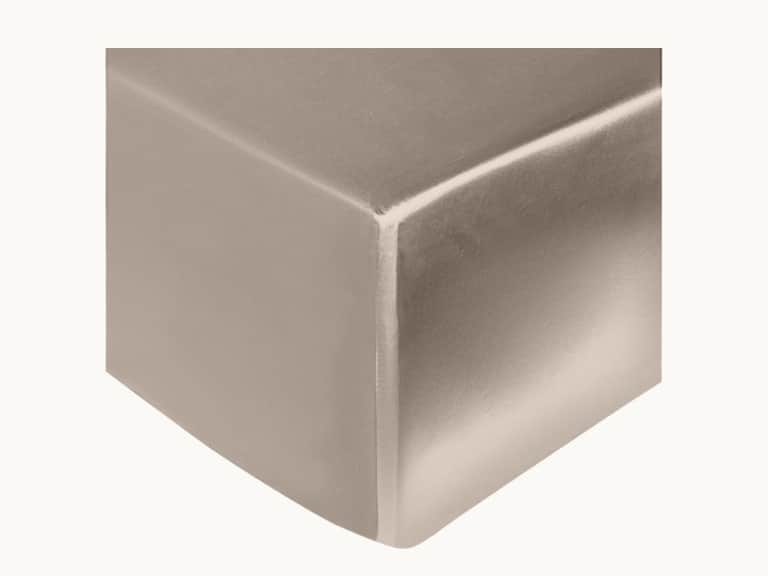
Take stock of the bedding you already use. A fitted sheet, flat sheet, blanket, duvet cover, sleepwear, and comforter work together as a system. If you currently sleep comfortably with a light blanket beneath your comforter, you may not need to move to a much heavier fill. If cold air seems to reach you around the edges, better coverage or attention to drafts might make a bigger difference than a new fill weight.
Shared beds introduce another consideration. Partners may have different warmth preferences, and a single comforter has to serve both. Separate blankets, an additional layer on one side, or a split-weight arrangement can offer more control when available. The practical test is whether each person can settle comfortably without repeatedly pulling layers away or adding them back overnight.
Give a new arrangement a little time, but pay attention to recurring patterns. If you wake hot several nights in a row, reduce a layer or make a note of the room conditions. If your shoulders or feet remain cold, try adjusting the coverage and the bedding beneath the comforter before deciding that the fill itself is inadequate. Small changes can clarify what you actually need.
Layering for Flexible Winter Warmth
Layering is often the simplest way to make a bedding setup adaptable. Rather than asking one comforter to handle every temperature, use a combination that can be changed without reworking the whole bed. A sheet and comforter may be enough on a mild night; a light blanket can be added when the room cools. On warmer nights, that extra layer can be folded back or removed.
Start with a breathable base layer that feels comfortable against your skin. Add the comforter, then keep one optional blanket nearby. You do not have to build a towering stack. Too many layers can trap more warmth than you want, shift around, or make the bed feel cumbersome. The aim is an easy adjustment—not a nightly engineering project.
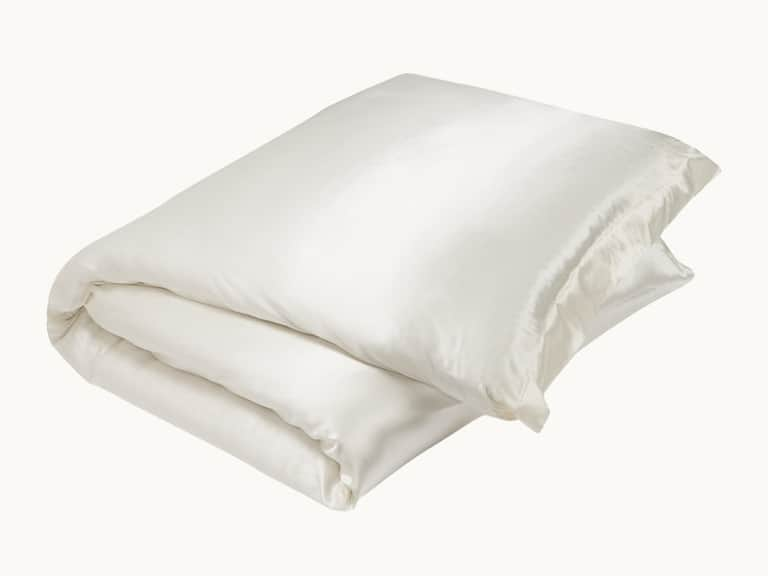
A duvet cover can protect the comforter from everyday contact and may make routine bed care easier, depending on the care instructions for both pieces. For example, a smooth mulberry silk duvet cover can coordinate with a silk-focused bedding arrangement. Check that the comforter and cover are compatible in size and construction, and follow the cleaning guidance for each item separately. A cover does not change the fill weight of the comforter, so it should not be treated as a substitute for choosing suitable insulation.
Layering can also help if you are uncertain about how warm a particular comforter will feel. Rather than immediately adding a much heavier comforter, try a removable blanket for several nights. This lets you test the arrangement in your own room and make changes gradually. If the room’s temperature is stable, you may discover that a moderate all-season weight is enough; if it is not, the extra layer gives you a practical buffer.
Shell Fabric and Construction Matter, Too
The outer shell is the part of the comforter you handle, and it can affect how the bedding feels, moves, and requires care. Cotton shells are common; silk shells may offer a smoother surface. Neither option tells the full story on its own. Check the fiber content and the manufacturer’s care directions rather than assuming every shell made from the same material should be treated identically.
Construction is important because fill needs to remain reasonably well distributed. Look for a description of how the comforter is finished and whether the design includes quilting, stitching, or another method to help keep the fill in place. Also check whether it has corner loops or ties if you plan to use a duvet cover. These small details can make day-to-day use more convenient and help keep the comforter aligned inside its cover.
Size deserves a careful look. A comforter that is too small may leave gaps at the sides, while an oversized one can drag or bunch, depending on the bed and the cover. Compare the listed dimensions with your mattress and with any existing duvet cover. For shared beds, consider whether the coverage gives both sleepers enough room without making it difficult to turn down or manage the bedding.
Caring for Silk Bedding Without Overdoing It
Silk-filled comforters often benefit from a lighter-touch care routine than ordinary sheets. The correct instructions vary by product, so the care label or manufacturer’s guidance should always come first. Some comforters are intended to be aired and spot cleaned, while other silk bedding may have different laundering directions. Never assume a comforter can be machine washed simply because a silk sheet or cover can be washed.
Regular airing can help refresh bedding between more substantial cleanings. Choose a clean, dry place with good airflow and follow any guidance about sunlight, since care recommendations can vary. Avoid leaving a comforter damp or storing it while moisture remains. If the manufacturer recommends spot cleaning, use a small amount of appropriate cleaner and avoid saturating the fill. Allow the area to dry completely before covering or storing the comforter.
A removable cover can reduce direct contact with the comforter and may help keep it cleaner, though the cover itself still needs routine laundering. Follow the care label for the cover, and keep it separate from the comforter if their cleaning requirements differ. If a major spill or stain occurs, check with the manufacturer about suitable professional care rather than experimenting with a strong detergent or an unfamiliar cleaning method.
When the comforter is not in use, store it clean and fully dry in a breathable place, following the care guidance provided. Avoid compressing it for a long period unless the manufacturer says that storage method is suitable. Gentle handling, prompt attention to spills, and keeping a cover in place can help protect the textile and reduce the need for intensive cleaning.
- Read the product label before washing, drying, or applying a stain remover.
- Air the comforter as directed, and ensure it is dry before putting it away.
- Use a cover if recommended, and launder that cover according to its own care instructions.
- Spot clean only when permitted; avoid soaking the fill.
- Ask the manufacturer or a qualified cleaner about significant stains or uncertain care requirements.
A Simple Winter Comforter Checklist
Before choosing, take a moment to compare the details that influence real-world comfort. A clear checklist can prevent a common mistake: focusing on the word “winter” while overlooking the size, fill specification, room temperature, or care routine.
- Room conditions: Is your bedroom consistently cool, heated, or prone to temperature swings?
- Personal preference: Do you usually sleep hot, cold, or somewhere in the middle?
- Fill information: Does the listing explain the fill weight and how it is measured?
- Season guidance: Is the comforter described as lightweight, all-season, or winter-weight, and does that suit your room?
- Shell composition: What material surrounds the fill, and how does it feel against your other bedding?
- Construction: How is the fill held in place, and are there loops or ties for a duvet cover?
- Dimensions: Will the comforter fit your bed and any cover you already own?
- Care routine: Are airing, spot cleaning, or professional cleaning required—and are those steps realistic for you?
- Layering plan: Can you add or remove a blanket as temperatures change?
The Bottom Line
Choosing a mulberry silk comforter for winter is less about finding the warmest option in a product description and more about finding the right balance for your room and your habits. A winter-weight comforter may suit a cold bedroom or a cold sleeper; an all-season weight with an extra blanket may be more versatile when temperatures vary. Fill weight is an important clue, but it needs to be read alongside size, construction, shell fabric, and the maker’s seasonal guidance.
Care deserves a place in the decision, too. Silk bedding is not all cared for in the same way, and a silk-filled comforter may require airing and careful spot treatment rather than routine washing. Read the specific instructions before buying, plan for a compatible cover if appropriate, and keep your layers adjustable. The most comfortable winter bed is not necessarily the heaviest one. It is the one that feels warm enough, stays easy to manage, and lets you settle in without thinking about the temperature every few minutes.